
Renovating in the Eixample: What International Buyers Should Know
Part love letter, part field guide. The Eixample is the most beautiful place in Barcelona to own a home — and the one that most rewards knowing what you're doing before you sign.
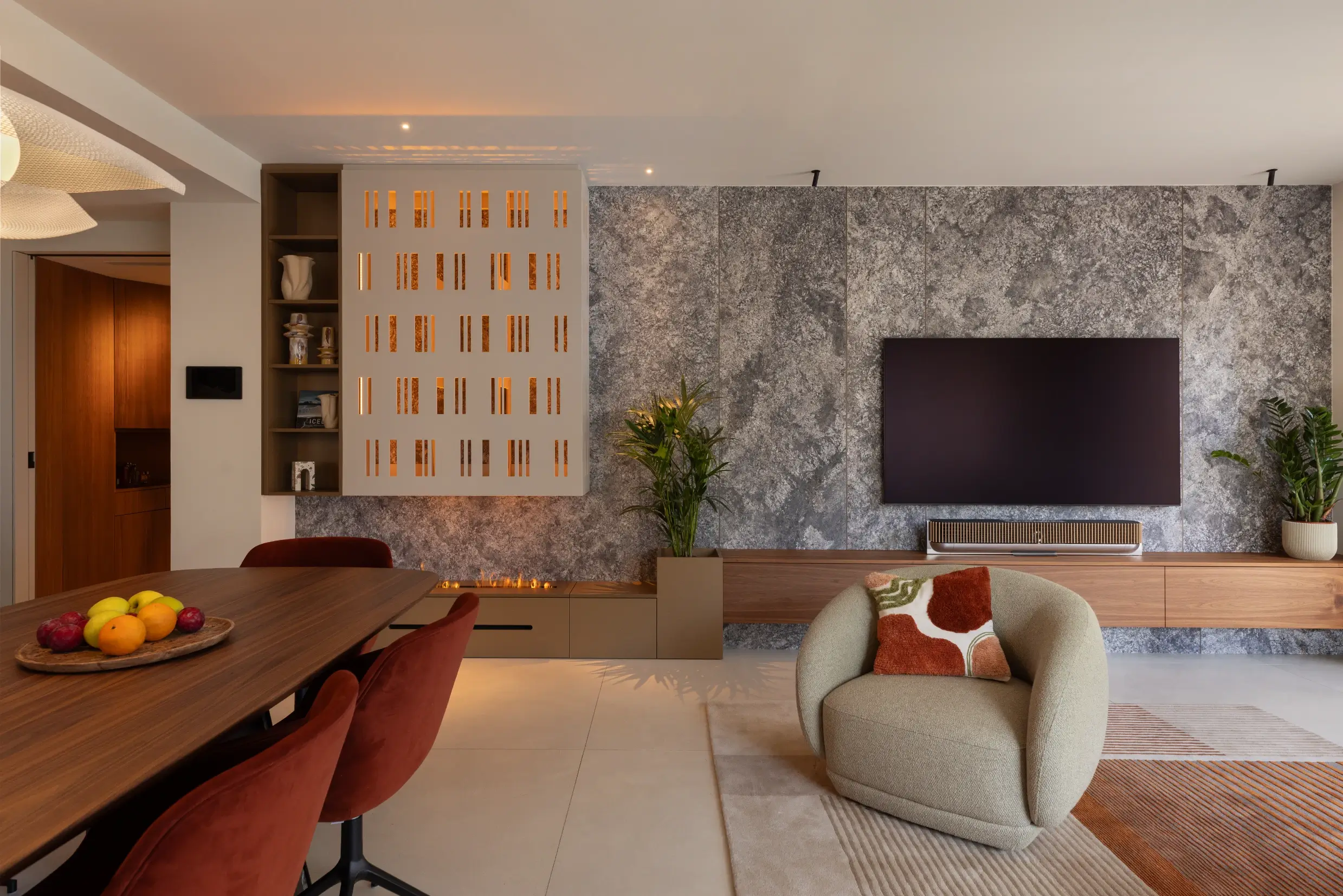
Why the Eixample is worth the effort
Ildefons Cerdà drew the Eixample as a grid of light and air, and a century and a half later it's still the finest residential idea in the city: wide chamfered blocks, generous ceilings, tall shuttered windows, and interior courtyards that make the flats breathe. This is where Barcelona keeps its most liveable homes.
For an international buyer it offers something rare — a genuine metropolitan address with the light and calm of somewhere much smaller. But the grid's beauty comes wrapped in specifics, and the specifics are where money is made or lost.
Chamfer, courtyard and the question of which way you face
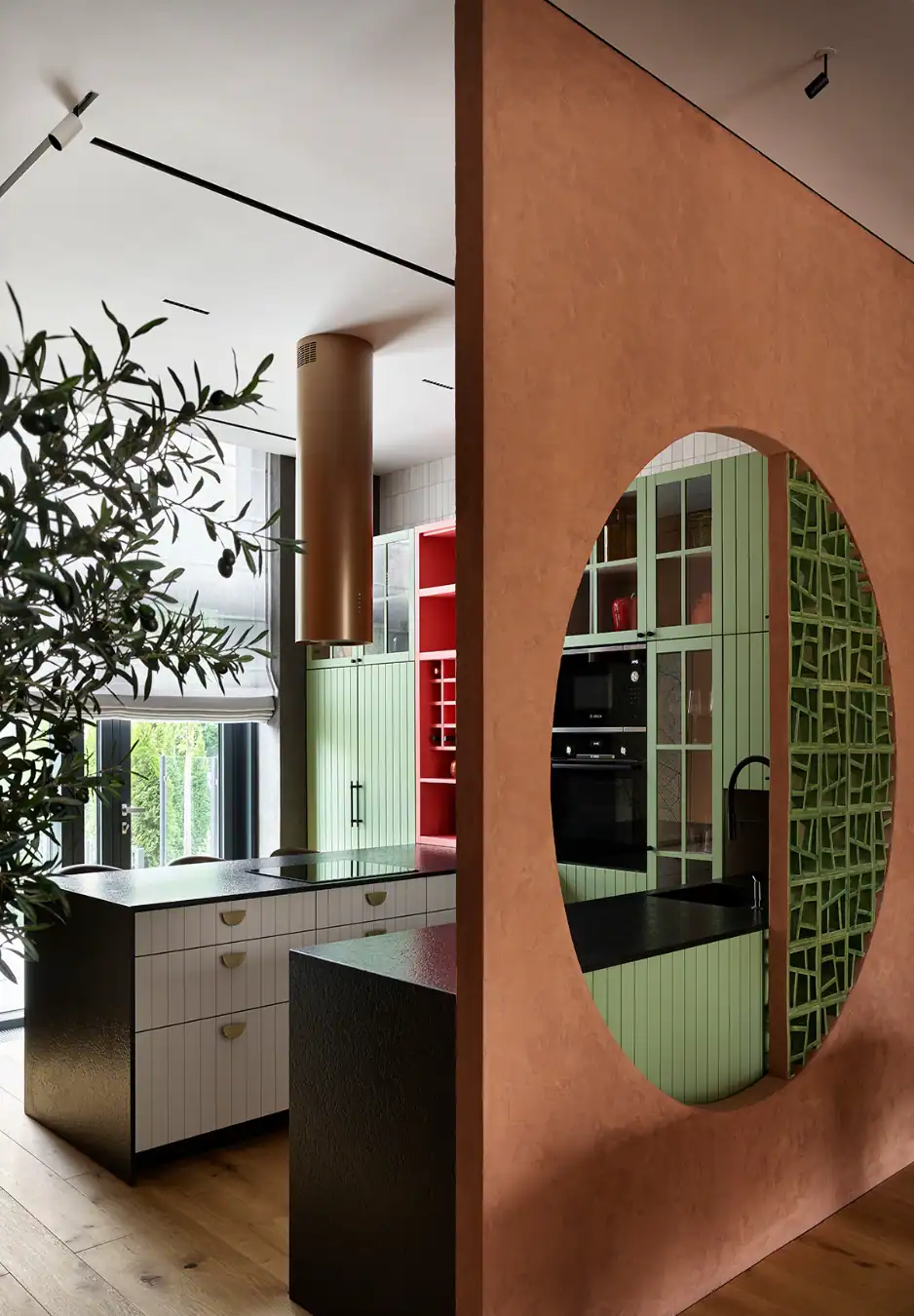
In the Eixample, orientation is destiny. A flat facing the street gets the drama and the noise; one facing the interior courtyard gets the quiet and the softer light. The best homes borrow from both. Before you fall for a floor plan, understand where the sun lands at four in the afternoon.
The famous chamfered corners aren't just urban poetry — corner flats catch light from two directions and are worth chasing. This is the kind of thing a plan won't tell you and a designer who knows the grid will.
The heritage you'll want to save
The instinct to gut it is the most expensive instinct you'll have. Resist it.
Hydraulic-tile floors, plaster mouldings, timber galleries — the Eixample flat you're viewing is probably carrying original details worth more than any finish you could add. The instinct to rip everything out and start fresh is the most expensive mistake in this neighbourhood.
Save the tiles. Restore the ceiling. Let the century-old bones set the tone, and design the modern life around them. That's not nostalgia — it's how you keep the value you paid a premium to acquire.
What you can change, and what you can't
Interior layouts are usually yours to reimagine — and Eixample flats often want it, since many were carved into dark corridors and small rooms that no longer suit how anyone lives. Opening them back up to the light is the single most transformative move available.
But some things are governed: protected façades and galleries, community rules, and the permits that go with structural or plumbing changes. None of it is a barrier. All of it needs handling by someone who does it locally, in the language of the local administration.
Doing this from another country
The practical details are what trip up foreign buyers, not the design. The NIE number, the permits, the trades, the site visits you can't make from London or New York — this is where a turnkey studio stops being a luxury and becomes the reason the project happens at all.
We work in English, Spanish, Catalan, Russian and Portuguese, and we handle the whole process end to end. You should be choosing finishes and feeling excited — not chasing a plumber across a time zone.
Official sources & further reading
- Ajuntament de Barcelona — building permits (obres)
- Ajuntament de Barcelona — architectural heritage protection
Many Eixample buildings carry heritage protection that affects façades, galleries and interiors.
Let's talk about
your project
As an interior design studio, we deliver residential and commercial projects across Spain and internationally.